Best Portable Speakers Under $50 2026: Big Sound, Small Price
If you still believe a sub-$50 Bluetooth speaker sounds like a tin can, you have not heard what Chinese audio brands shipped in the last couple of years. The segment that used to be a graveyard of weak, distorting plastic boxes is now genuinely competitive. Brands like Tribit, EarFun, Mifa, Soundcore, Tronsmart and Baseus have pushed real driver engineering, honest battery life and actual waterproofing down to prices that were unthinkable a decade ago.
This roundup is built from hands-on experience browsing specs, owner reviews and long-term use reports rather than from a single lab test. I will not invent decibel readings. Instead I will tell you what each speaker is built for, where it wins, where it compromises, and which one I would actually hand to a friend on a tight budget.
Why the under-$50 category changed
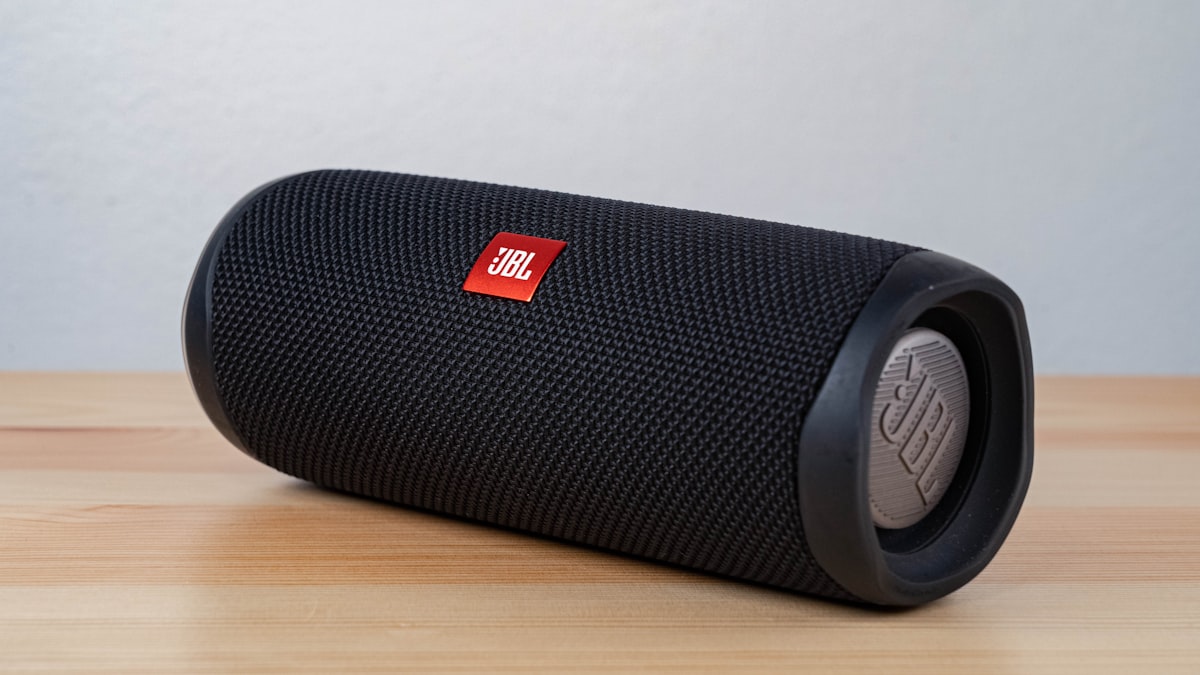
Two things happened. First, Chinese supply chains matured the small full-range driver and passive radiator combo so well that a $35 speaker can now move surprising air. Second, Bluetooth 5.x and efficient class-D amplification made all-day battery life boringly normal. The result is that the gap between a $45 Tribit and a $150 premium name like JBL or Bose is smaller than the marketing would have you believe, especially at conversational volumes and in outdoor, noisy environments where subtle detail matters less than loudness and bass presence.
What you are paying the premium brands for is mostly refinement, brand support, and extreme durability. Below $50 you trade a little of that polish for value. For most people, that is a fantastic trade.
The contenders
| Speaker | Driver / Power | Battery (typical) | Water rating | Bluetooth | Best for |
|---|---|---|---|---|---|
| Tribit XSound Go | Single full-range + passive radiator, ~6W | ~24 hours | IPX6 | 5.0, AAC/SBC | All-round daily carry |
| Tribit StormBox Micro 2 | 48mm driver + passive, ~10W | ~12 hours | IP67 | 5.3, AAC/SBC | Backpack strap, bike, hike |
| EarFun UBOOM L | Dual drivers + dual passive, ~28W | ~24 hours | IP67 | 5.3, AAC/SBC | Loud room filling sound |
| Mifa A1 | Full-range + passive radiator | ~12 hours | IPX5 | 5.0, AAC/SBC | Compact travel |
| Soundcore (Anker) Select 4 Go | Full-range + passive, ~5W | ~20 hours | IP67 | 5.3, AAC/SBC | Pocketable rugged |
| Tronsmart T7 | Up to ~30W with passive radiators | ~20 hours | IPX7 | 5.3, AAC/SBC | Party glow lighting |
Tribit XSound Go — the safe default
Tribit built its reputation on this little puck, and the XSound Go is still the speaker I point budget shoppers to first. It is not the loudest, but the tuning is balanced: vocals stay clear, bass is present without booming, and at 24-hour rated battery life it will outlast a weekend camping trip on a single charge. IPX6 means it shrugs off rain and pool splashes. If you want one speaker under $50 that you will not regret, this is it.
Tribit StormBox Micro 2 — the strap-on one
The Micro 2 is weirdly useful because of its integrated strap. You clip it to a backpack, a bike handlebar or a shower rail and forget about it. The 48mm driver punches above its size, and IP67 means full dust and brief submersion protection. Battery is shorter at around 12 hours, but for a speaker this tiny that is still a full day out. Great gift, great secondary speaker.
EarFun UBOOM L — the loud value pick
EarFun has become the brand to watch for people who want volume without the premium price. The UBOOM L uses two active drivers plus two passive radiators and pushes roughly 28W, which is enough to fill a medium living room or a backyard table. Owners consistently report clean sound up to high volumes with minimal distortion, which is rare under $50. IP67 and 24-hour battery seal the deal. If your main complaint about cheap speakers is “not loud enough,” start here.
Mifa A1 — the travel minimalist
Mifa is a lesser-known but solid Chinese maker. The A1 is compact, light and tuned for balanced listening rather than chest-thumping bass. IPX5 covers rain and sweat, and the 12-hour battery is fine for a day trip. It is the pick if you value pocketability and a clean look over raw output.
Soundcore Select 4 Go — Anker’s rugged pocket option
Soundcore, the audio arm of Anker, is a Chinese brand with excellent global support and warranty. The Select 4 Go is tiny, IP67 rated and rated for around 20 hours. It will not shake the walls, but it is one of the most worry-free speakers you can toss in a bag. If after-sales peace of mind matters to you, this is the safe choice.
Tronsmart T7 — party on a budget
Tronsmart leans into the fun side with the T7, a roughly 30W cylinder with passive radiators and customizable LED lighting. IPX7 means it survives the poolside, and 20-hour battery keeps a small gathering going. The sound is bass-forward, which suits pop and hip-hop more than classical. If you want lights and loud for the least money, this is the one.
Pros and cons at a glance
Pros of going Chinese under $50
- Outstanding value; performance close to premium brands at a third of the price
- Long battery life and real waterproofing are now standard
- Wide availability and improving warranty support
Cons to keep honest
- Bass depth and maximum clean loudness still trail JBL/Sony/Bose flagships
- Build feel and long-term durability are less proven
- App ecosystems and codec support (aptX, LDAC) are limited at this price
Buying advice
- Want one do-everything speaker: Tribit XSound Go.
- Want loudest for the money: EarFun UBOOM L.
- Want tiny and clip-on: Tribit StormBox Micro 2.
- Want rugged pocketable with brand support: Soundcore Select 4 Go.
- Want lights and a party vibe: Tronsmart T7.
Match the speaker to where you will actually use it. A shower speaker does not need 30W. A backyard party speaker does not need to be pocket-sized.
FAQ
Do under-$50 speakers really last? The reputable Chinese brands above use name-brand batteries and sealed enclosures, so with normal care they typically outlive a phone or two. Avoid no-name listings with suspiciously high watt claims.
Is Bluetooth codec support important here? For casual listening, AAC and SBC are fine. You only miss aptX or LDAC if you are an audiophile streaming lossless files, and those codecs rarely appear under $50 anyway.
Can these replace a JBL or Bose? For volume and bass at a party, a good $45 EarFun gets surprisingly close. For refined sound at low volume in a quiet room, the premium brands still edge ahead.
Disclosure: if you order through our link, TechMinds may earn a small commission at no extra cost to you.